
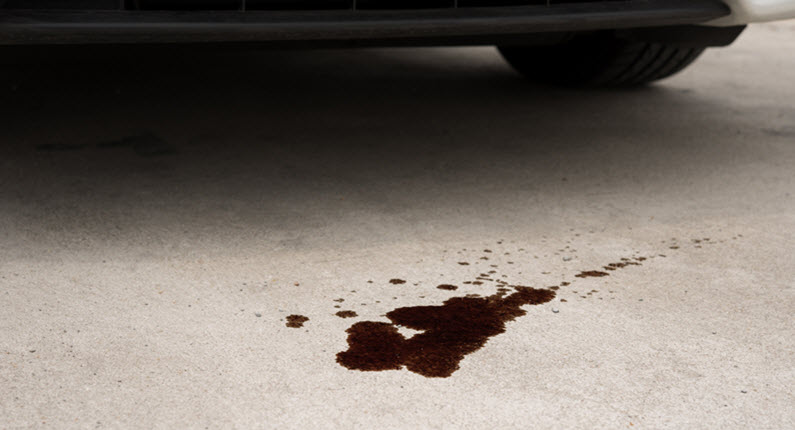
If your Volkswagen is dripping oil in the driveway on Kerner Boulevard, smelling like burning oil after a drive through Marin County, or showing an oil level that keeps dropping without any obvious external leak, a failed camshaft seal is one of the first places a qualified Volkswagen specialist looks. Camshaft seal leaks are among the most common oil leaks on Volkswagen’s 1.8T, 2.0T TSI, and 2.5L five-cylinder engines — and because the seal sits at the front or rear of the cylinder head behind other components, it’s a repair that gets missed entirely at general shops that don’t know where to look on a Volkswagen.
Heynneman European is San Rafael’s premier independent European auto specialist, serving Volkswagen owners across San Rafael, Corte Madera, Larkspur, Mill Valley, Kentfield, Fairfax, and San Anselmo from our Kerner Boulevard location. If you’re searching for Volkswagen oil leak repair near me in San Rafael, here’s everything you need to know.
What Is the Volkswagen Camshaft Seal and Why Does It Fail?
The camshaft seal — also called the cam seal or camshaft end seal — is a precision rubber lip seal that prevents engine oil from escaping along the rotating camshaft where it exits the cylinder head. On Volkswagen’s four-cylinder engines, there are typically two camshafts (intake and exhaust) on DOHC configurations, each with a seal at the front of the engine where the camshaft interfaces with the timing cover or cam sprocket.
These seals are under constant load from the rotating camshaft, engine oil pressure, and thermal cycling. Over time, the rubber compound in the seal hardens, cracks, and loses its ability to maintain a tight seal against the rotating cam surface. Once the seal fails, engine oil escapes along the camshaft and typically drips down the front of the engine onto the timing belt or chain cover — making the leak difficult to trace to its exact source without a thorough lift inspection.
On Volkswagen’s 2.0T TSI engine — which powers the Golf, Jetta, Passat, Tiguan, and GTI — front cam seal failure is a documented, common issue that often occurs alongside deterioration of the valve cover gasket and timing cover seal, requiring careful differentiation to avoid replacing the wrong component.
Symptoms of Volkswagen Camshaft Seal Failure San Rafael Drivers Notice
San Rafael Volkswagen owners dealing with camshaft seal failure typically notice a combination of these symptoms:
- Oil spots on the driveway — often appearing toward the front-center of the vehicle, beneath the engine
- Burning oil smell after driving — oil dripping onto the exhaust manifold or turbocharger below the leak point produces a sharp, acrid smell noticeable after parking
- Oil residue on the timing cover or front of the engine — the leak tracks down from the cam seal area along the front of the block
- Oil contamination on the timing belt — on belt-driven Volkswagen engines, oil reaching the timing belt accelerates belt deterioration and creates a risk of belt failure
- Low oil level without obvious external leak — the oil drips from the cam seal area and burns off on hot exhaust surfaces before reaching the ground in visible quantities
- Check engine light with oil pressure or valve timing codes — as the leak progresses and oil pressure drops, timing-related fault codes can appear
- Wet, oily residue around the front cam sprocket area is visible with a flashlight through the engine bay
The timing belt contamination symptom is the most urgent — oil on the timing belt degrades the rubber compound rapidly and can cause premature belt failure, leading to catastrophic engine damage on interference engines like Volkswagen’s TSI family.
What Causes Volkswagen Camshaft Seal Failure in San Rafael
Several factors specific to San Rafael and Marin County contribute to Volkswagen cam seal deterioration:
- Marin County’s temperature cycling — San Rafael experiences significant morning fog and cool temperatures followed by warm afternoons, creating daily thermal cycles that cause engine components to expand and contract repeatedly. The camshaft seal’s rubber compound hardens and loses elasticity more quickly in environments with frequent temperature swings than in stable-temperature climates. The marine layer that characterizes Marin County mornings creates underhood condensation cycles that compound seal degradation over time.
- Highway driving patterns — San Rafael drivers regularly use US-101 for commutes to San Francisco, the East Bay, and Sonoma County. Sustained highway operation keeps the engine at elevated temperatures for extended periods, placing a continuous heat load on cam seals that accelerates rubber degradation compared to purely local driving.
- Age and mileage on 2.0T TSI engines — Volkswagen’s 2.0T TSI cam seals commonly begin leaking between 60,000 and 90,000 miles. Given that many San Rafael Volkswagen owners drive their vehicles for 10+ years in Marin County’s mild climate, reaching this mileage threshold is routine — and the cam seal is a predictable maintenance item on these platforms.
- PCV system pressure — when Volkswagen’s PCV system fails or becomes partially blocked, crankcase pressure increases and forces oil past seals that would otherwise hold. A cam seal leak on a Volkswagen with a compromised PCV system will recur after replacement if the root cause isn’t addressed at the same time.
- Deferred oil changes — degraded engine oil is more acidic and more prone to attacking the rubber compounds in oil seals. Volkswagen owners who stretch oil-change intervals beyond manufacturer specifications disproportionately accelerate cam seal deterioration.
Why San Rafael Volkswagen Owners Shouldn’t Ignore Camshaft Seal Failure
A slow cam seal leak has a predictable escalation pattern that becomes significantly more expensive the longer it’s deferred:
- Timing belt contamination and failure — on belt-driven Volkswagen engines, oil reaching the timing belt is a serious safety concern. A timing belt failure on a Volkswagen TSI engine can cause catastrophic valve damage due to the engine’s interference design. What starts as a $200–$300 cam seal job becomes a $2,000+ engine repair if the belt fails from oil contamination.
- Secondary seal damage — oil leaking from the cam seal coats adjacent seals and gaskets, softening and degrading them. The valve cover gasket and timing cover gasket are both vulnerable to oil exposure from an adjacent cam seal leak, meaning a deferred cam seal repair frequently results in multiple simultaneous seal failures.
- California smog failure — a visible oil leak or check engine light triggered by oil pressure or timing issues will cause a California emissions test failure, blocking registration renewal.
- Engine wear from low oil — a cam seal that’s been leaking for an extended period can drop oil level low enough to cause accelerated wear on camshaft bearings — the very components the cam seal is designed to protect.
How Heynneman European Replaces Volkswagen Camshaft Seals in San Rafael
Our approach starts with a proper diagnosis — confirming the cam seal as the source of the leak before any components are removed. On Volkswagen TSI engines, the front of the engine can show oil contamination from multiple simultaneous sources, including the valve cover gasket, timing cover, and cam seal. UV dye leak testing and a thorough lift inspection help differentiate between these sources, ensuring the correct repair is performed rather than the most obvious one.
Once the cam seal is confirmed as the leak source, we assess the timing belt condition if equipped — an oil-contaminated timing belt must be replaced as part of the same service regardless of mileage, because the integrity of a belt exposed to oil cannot be reliably assessed by visual inspection alone. The PCV system is checked as part of every cam seal repair because replacing the seal without addressing elevated crankcase pressure results in repeat failure.
For Volkswagen repair and oil leak service in San Rafael performed by European auto specialists with over three decades of Volkswagen platform experience, Heynneman European is the shop Marin County Volkswagen owners trust.
Why Choose Heynneman European for Volkswagen Repair in San Rafael, CA
Heynneman European has 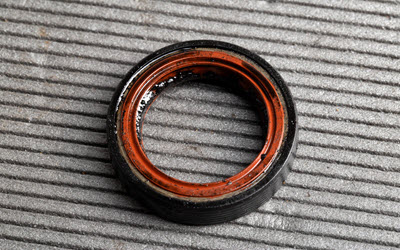 been San Rafael’s and Marin County’s go-to independent European auto specialist — bringing ASE-certified expertise, factory-grade diagnostic equipment, and a deep commitment to transparent service to every Volkswagen, Audi, BMW, Mercedes, Porsche, and Volvo that comes through our Kerner Boulevard shop. Our engine repair and oil leak service in San Rafael covers everything from minor seal replacement to complex engine diagnosis, all backed by our workmanship warranty.
Located at 3155 Kerner Blvd in San Rafael, we serve Volkswagen owners across San Rafael, Corte Madera, Larkspur, Mill Valley, Kentfield, Fairfax, and San Anselmo. Open Monday through Friday — call or schedule online.
Frequently Asked Questions About Volkswagen Camshaft Seal Replacement in San Rafael
How do I tell whether my Volkswagen’s oil leak is due to the cam seal or the valve cover gasket?
Both are common sources of leaks on Volkswagen TSI engines and produce similar symptoms — a burning oil smell and oil residue on the engine. The cam seal leak typically originates at the front of the engine near the timing cover, while valve cover leaks originate at the top. UV dye testing under a lift inspection is the most reliable way to differentiate, and both sometimes leak simultaneously on higher-mileage engines.
How much does a Volkswagen camshaft seal replacement cost in San Rafael?
Parts and labor typically range from $200–$450 depending on the engine type and whether the timing belt, PCV system, or adjacent seals also require attention. Heynneman European provides a complete itemized estimate after the leak inspection. Call (415) 499-1234 for a consultation.
Do I need to replace the timing belt if my Volkswagen cam seal is leaking?
On belt-driven Volkswagen engines, if there’s any oil contamination on the timing belt, it should be replaced during the same service. An oil-soaked timing belt cannot be reliably assessed by appearance — the rubber compound may be compromised even where it looks intact. Heynneman European will advise specifically based on belt mileage and the extent of oil contamination found during the repair.
Does Heynneman European service all Volkswagen models with cam seal issues?
Yes. We service the full Volkswagen lineup, including the Golf, GTI, Jetta, Passat, Tiguan, Touareg, and CC — covering the 1.8T, 2.0T TSI, 2.5L five-cylinder, and 3.6L VR6 engine families where cam seal failures most commonly occur.
Schedule Your Volkswagen Camshaft Seal Repair in San Rafael Today
Don’t let a camshaft seal leak contaminate your timing belt or escalate into a multi-seal repair. Heynneman European has the Volkswagen expertise and diagnostic equipment to find it and fix it right. Call (415) 499-1234 or visit heynnemaneuropean.com for your next service appointment!
